Wondering what the history of coding really looked like? Well, we invite you to picture this: it’s the 1960s, and instead of sleek laptops and Apple iPhones, computers are the size of entire rooms. The air buzzes with the hum of machines, tucked away in the hidden rooms of research labs and government buildings. There’s no internet, no smartphones, no Apple TVs. Just rows and rows of blinking lights in a dark room.
It might sound crazy, but believe it or not, this was the era that laid the groundwork for modern programming. The ‘60s were a turning point in technology. It was the time that technical engineering took off, and modern thinkers began shaping the digital world that we live in today.
Our post will be like a little trip back to this world. A trip to the mainframe era, to a time before automated code writers and UX/UI tutorials. We’ll be exploring what coding looked like back then, and what valuable lessons it still holds for us today.
The Dawn of the Mainframe Era
The 1960s were dominated by mainframe computers. These were large and powerful systems that could handle huge amounts of data. They were pretty smart, but required entire teams to operate. These machines represented the pinnacle of computing at the time.
Companies and institutions relied on models like the IBM System/360, UNIVAC, and Honeywell mainframes to perform complex calculations. These were most often used in the fields of science, defense, and business.
Back then, a single computer occupied an entire room. The room was filled with blinking lights, control panels, and spinning tape drives. The air conditioning was always turned on to keep the machines from overheating. Mainframes were incredibly expensive, so only governments, universities, and major corporations could afford them.
Even if an institute could afford a mainframe, accessing it was very difficult. Computing time was precious and usually scheduled in shifts, with sign-up sheets stretching months in advance. This was a defining period in the history of coding because it established the basis of programming, creating a joint language between humans and machines that would evolve for decades to come.
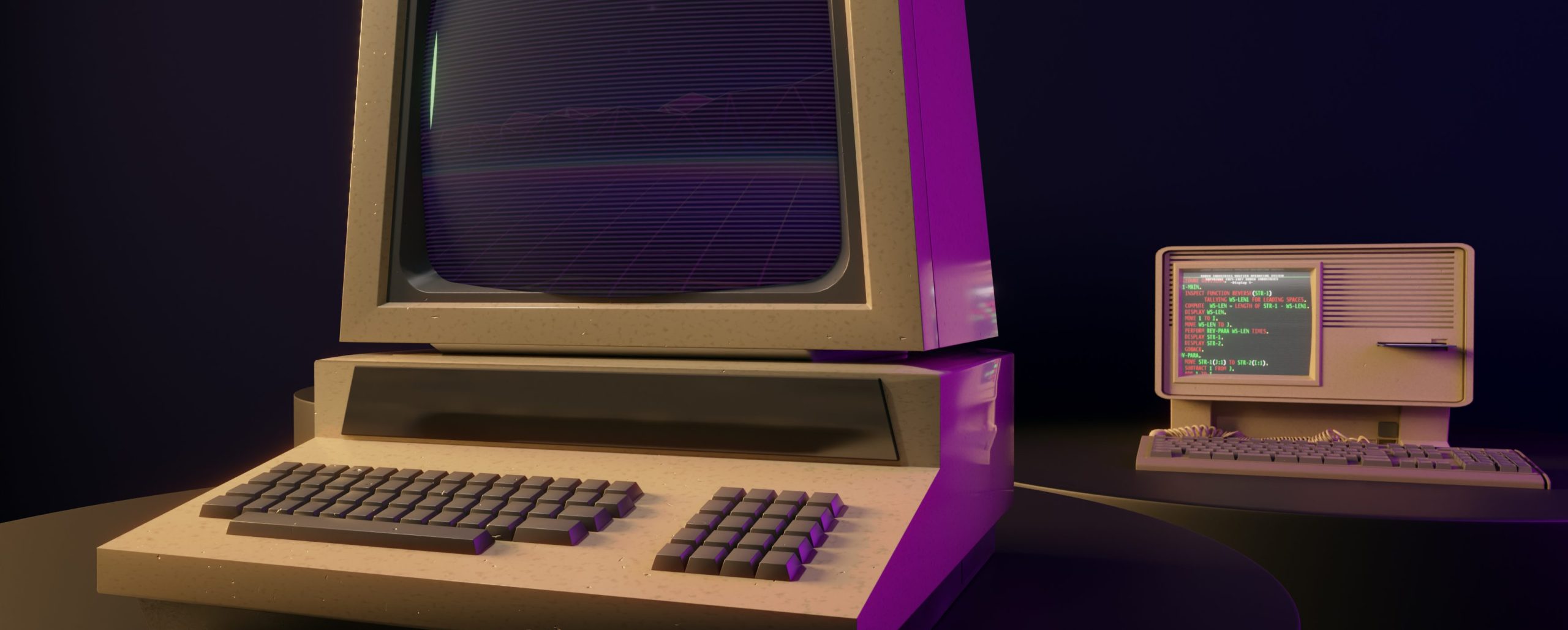
The History of Coding Started in the Swingin’ 60’s
Writing code in the 1960s was nothing like typing commands today. Programmers worked with punch cards. These were just rectangular paper cards with holes representing code instructions. Each card corresponded to one line of code, and entire programs could require thousands of cards. Imagine having a whole room filled with documents just to write a simple piece of code today!
The process was slow and unforgiving. A single misplaced hole or missing card could crash the entire program. Coders would write their programs by hand, submit them to punch operators who encoded the data, and then feed the stack of cards into a mainframe. The results could take hours to process, and if there was an error, the whole cycle had to start again.
The main languages that were used were COBOL, FORTRAN, and Assembly. FORTRAN was the most popular for scientific purposes, while COBOL was more geared towards business use, like processing payroll and managing databases.
As we look back on the history of coding, we can see that many of these languages are still in use today, at least in some shape, way, or form. Even though almost 70 years have passed, the foundations of programming are still relevant today.
What Were Early Programmers Like?
The first programmers in the mainframe era were often mathematicians, scientists, and engineers who transitioned into the field of computing. Above all, they were pioneers, working in a field that most people had never even heard of. Many of them were women; two of the most well-known female programmers include trailblazers Grace Hopper and Margaret Hamilton. Hopper helped develop the language COBOL, while Hamilton led the software engineering team for NASA’s Apollo missions.
Back in the days, programmers worked without the modern debugging tools and real-time feedback that we use today. Every line of code had to be carefully planned, tested, and verified. The work was logical and technical, but also highly experimental. Understanding how these individuals pioneered coding helps us connect to the history of coding on a personal level. It brings the story alive, adding that human element that many people miss from technology today.
Technological Innovations in the 60s
The 60s were not just about mainframes. In fact, many technological leaps happened during this time to make programming more efficient. One of the most important breakthroughs was time-sharing, a system that allowed multiple users to access one single computer simultaneously. Before time-sharing, each computer could only serve one user at a time. As you can imagine, queues and wait lists grew very long, very fast. But with time-sharing, computing became more accessible.
Another key innovation was magnetic storage. This form of storage eventually replaced punch cards, allowing data to be stored and retrieved faster. Operating systems also began to emerge, providing a structured way to manage computer resources. The IBM System/360’s operating system, for example, introduced compatibility across different models. This concept is still relevant for hardware design today. The history of coding was written through a series of innovations, setting the stage for the IT revolution that soon followed.
The Life and Work of a Programmer in the ’60s
Working as a programmer during the mainframe era was unlike any job today. The environment was dark, mechanical, and very technical. Programmers wore lab coats to prevent static discharge, handled punch cards with care, and worked in rooms filled with the constant hum of computers and machines.
The workflow required extreme precision and patience. You couldn’t just run a program before lunch, quickly fix a small mistake you made, or work through the final bit of your code a little faster to catch the bus home. Programmers submitted their work, waited for the printed output, and often discovered (hours later) that a small typo they’d made had ruined the entire thing. Imagine how frustrating it would be for programmers today to not even be able to make a single typo without their day’s work falling apart! We’re certainly grateful that’s not the case anymore.
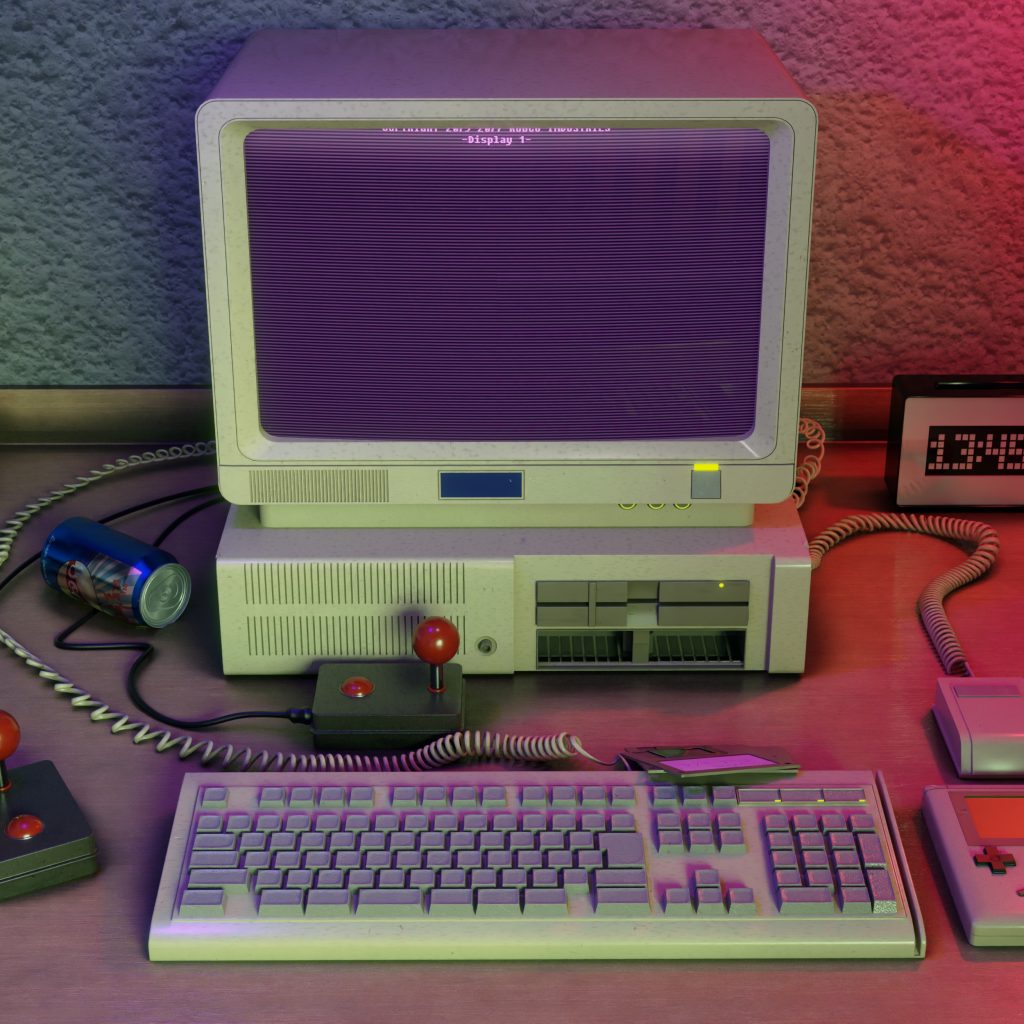
Lessons For Modern Programmers From The History of Coding
Yes, technology has advanced dramatically. But there are still valuable lessons that programmers today can learn from the past.
Early coders operated under strict limitations, forcing them to write efficient and elegant code. They understood every instruction their program executed, something that many of today’s web developers overlook due to AI and automation. The collaboration between programmers that took place in computing labs laid the groundwork for open-source communities today. Expect instead of talking to your classmate, you’re writing to a developer in Taiwan, Colombia, or Switzerland!
The history of coding shows us how beautifully innovation can thrive when people work together. Today’s students can appreciate that even with the modern tools we have today, basic qualities like clarity, logic, and efficiency are just as important.
The Impact of the History of Coding:
The impact of programming in the 1960s goes beyond labs and data centers. During this decade, computer science began to emerge as an academic discipline taught in schools and universities. Before then, coding was often taught informally in certain engineering or mathematics departments. Eventually, MIT, Stanford, and Cambridge started offering dedicated courses that explored not just how to write code, but how computers could simulate logic, solve scientific problems, and revolutionize technology as they knew it.
The 1960s also introduced the concept of shared computing, where multiple students could connect to a single mainframe through things called terminals. These early networks helped build collaboration between students and can probably be considered the earliest form of digital communication.
Today, things like logging into a system, editing a file, or running a program are no big deals. Everyone does them, right? But back then, they were groundbreaking. The students who first learned coding in this environment would later become the engineers who built the first personal computers and software companies of the 70s and 80s.
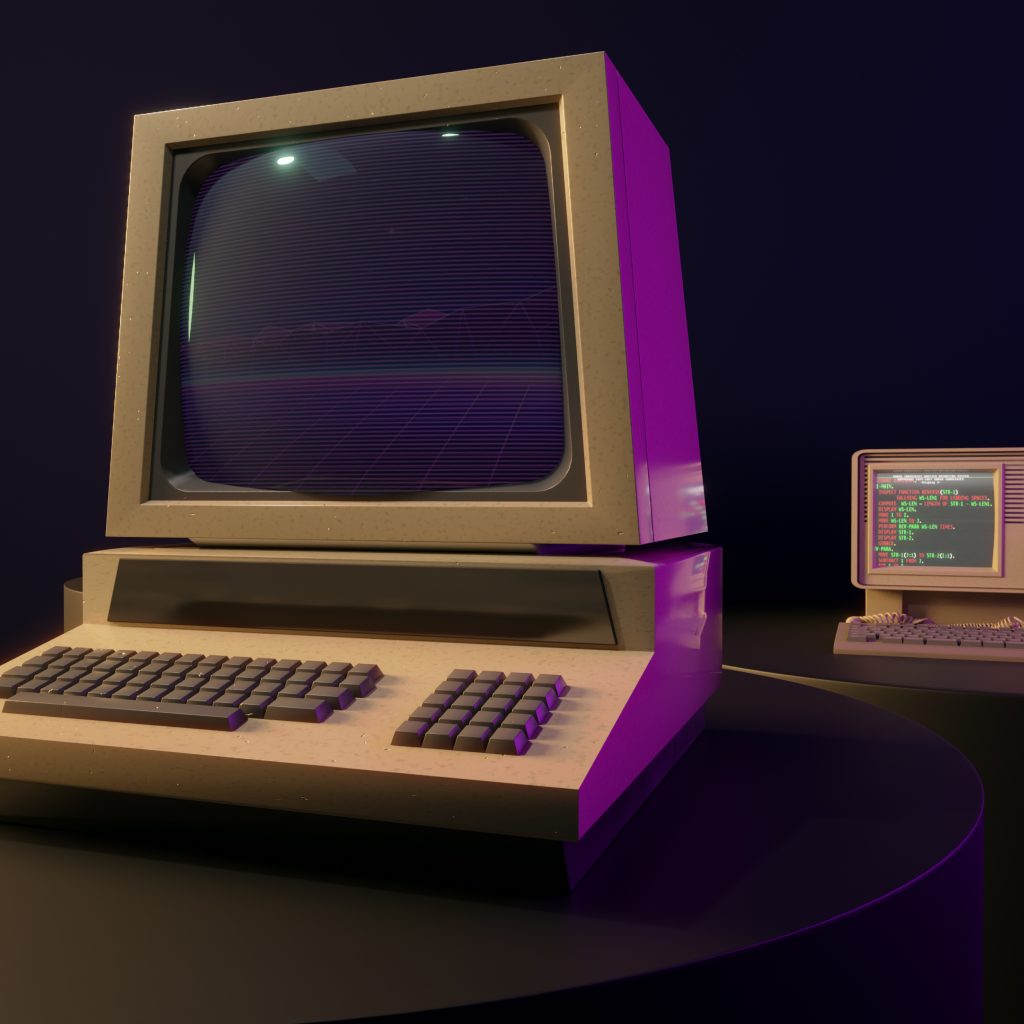
How Early Coding Influenced Workplace Culture Today
Mainframe programming also influenced workplace culture. In the 60s, major corporations like IBM, General Electric, and Bell Labs began to see programming not only as a technical task but as a professional role. This shift was what eventually led to the concept of a “software engineer”, a term we’re all familiar with to this day. Businesses slowly started using programs for payroll, accounting, logistics, and eventually even research. That’s starting to sound familiar to what we have today, isn’t it?
Yes, we know, the past is in the past. But understanding the origins of programming gives context to the technology we use every day. The tools we have may be faster and more user-friendly, but their core functions, like loops, conditionals, and algorithms, were all born in this early era of programming.
Today, our world is facing another big shift. As we move into the age of artificial intelligence and automation, it is worth remembering how the history of coding began with a handful of dedicated thinkers, working long, hard hours to pioneer the computers we take for granted today.
Conclusion
The 1960s marked a defining decade in the history of coding. It was the time when programming transformed from just a unique skill into an entire profession. The mainframe era introduced structured logic, programming languages, and the early concepts of operating systems that still influence technology today.
As modern developers, we have a lot to thank these pioneers for. Without them, you probably wouldn’t even be reading this article!
If this glimpse into the past inspired you, why not take the next step and start your own coding journey? Check out our online programming courses at Froggy Code to start learning the basics of coding.
And if you like reading about similar topics, we invite you to check out our other blogs to discover more about the fascinating world of IT.